

Mid Season Nutrition and Future Feed Requirements
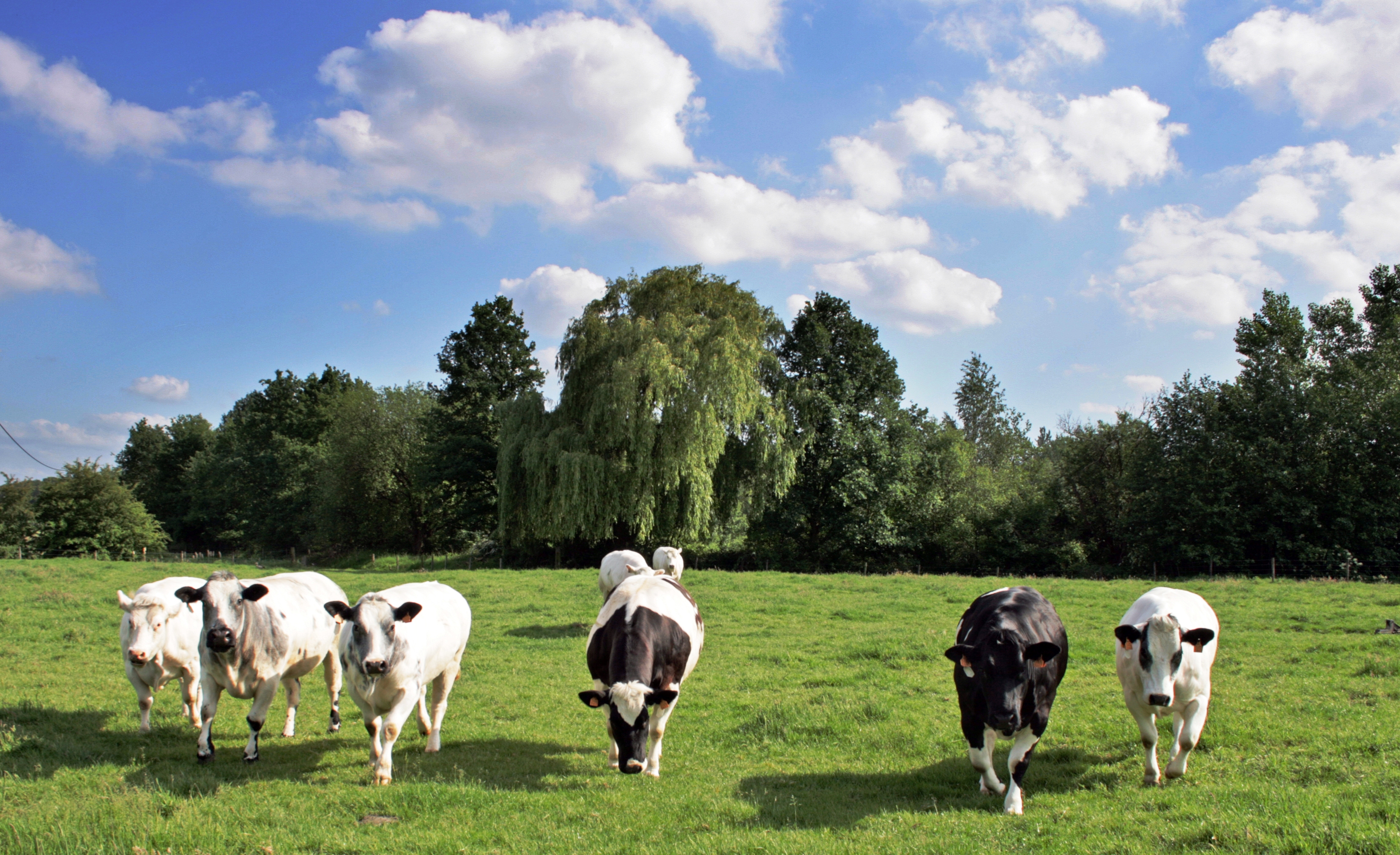
In Spring 2013 our focus has been on ensuring cows got some forage in their diet, with sources (Silage, Hay, Maize, Wholecrop, Grass) variable and quality questionable at times. It has been a means to an end and those involved in supplying and facilitating the importing of forage are to be commended for their efforts.
That being said, what can we expect as a result of this stress and strain on man and beast? First and foremost the cost of the additional feed has been incredible, while the variability and general poorer quality of the diets offered to cows this spring have resulted in reduced milk volume meaning even the best cash flow managers are now under pressure.
It is envisaged that herd fertility will also suffer with anoestrus cows in almost every herd in the country as a result of prolonged Negative Energy Balance and the environmental stresses that come with re-housing animals intermittently all spring. Neither will it be a surprise if other issues arise throughout the year such as increased incidences of lameness, mastitis and parasite infestations.
In the short term it is tempting to remove any additional supplementation to the cows, and where sufficient grass is available, BCS is adequate and milk production levels are less than 24Litres this may be a suitable approach. Where this is the case it is important not to forget to maintain magnesium supplementation through pasture dusting, via the drinking water (using a dispenser drum/dosatron pump) or on a small amount of carrier. Cows require 30g magnesium per day (this is 60g Cal-Mag, or 90g Sweetened Cal-Mag). Don’t forget your trace elements, especially where fertility, lameness and/or mastitis is an issue in your herd.
In planning for the next few weeks, and indeed for the rest of the year, it is important to keep in mind that any opportunity to conserve forage could prove extremely valuable to you come next winter.
It is important to look at:
- How many cows you are carrying currently
- How many you plan to carry over the winter (incl. replacements)
- Ensure that you have enough forage conserved to feed these animals
Have a plan in mind and try to strike a balance between stock numbers, feed availability and milk production. Would it be worth continuing to feed concentrates at higher levels with good milk prices if it allowed you to extend your rotation length and take out more area for silage? Could you scan cows earlier and remove those that are empty, culling these sooner to reduce stocking rates and winter feed requirements?
Dairy cows require 10 kg DM per cow, while in-calf heifers will require 8-9 kg DM, weanling heifers will need 4kg DM. Dry matter digestibility levels are critical in your silage, as lower DMD will result in a higher fresh weight requirement or some other supplementation. Do your feed budget early, and get your silage analysed and the power will be in your hands, the calculation is straightforward:
Number of Cows x Estimated length of Winter x Daily Requirement
When you have an idea of your requirements, and you know what you have in the pit, you can budget for anything else you need.
CAHL provides nutritional solutions including a full range of magnesium supplements, water soluble trace elements, mineral licks and powdered mineral supplements. Contact your local area Representative for advice on suitable products and advice on nutrition and feed budgeting.
Andrew McInerney – CAHL/Nutribio Nutritionist